When the Brain Organizes, Learning Becomes Possible
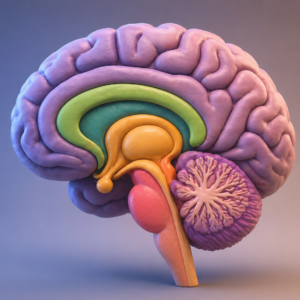
Leadership, Technology First things first, Lived Experience, Neurological organizationEarly childhood is not simply a time for acquiring skills—it is a time for organizing the brain. Before a child can read, write, or solve problems, their nervous system must be prepared to receive, process, and respond to the world around them. This process—often described as neurological organization—is the foundation upon which all learning rests.
Neurological organization happens through sequence: movement, sensory integration, regulation, and then cognition. When this sequence is supported, children develop the capacity to focus, engage, and connect. When it is disrupted, we often see the opposite—difficulty with attention, behavior, and learning—not because the child lacks ability, but because the brain has not yet been organized for access.
This is where the concept of lived experience becomes essential.
“Lived experience doesn’t just shape learning—it determines whether learning is accessible at all.”
Lived experience is not just what a child goes through—it is how those experiences are processed and stored within the body and brain. Every moment of safety, stress, movement, connection, or disruption contributes to how a child’s nervous system wires itself. In this way, lived experience is not separate from development—it is development.
When we recognize this, we shift our approach. We stop asking, “What’s wrong with the child?” and begin asking, “What has the child experienced—and how has it shaped their neurological readiness?”
By aligning early childhood environments with how the brain develops, we create conditions where lived experience becomes an asset, not a barrier. And in doing so, we give every child something far more powerful than instruction:
We give them access to their own capacity to learn, grow, and thrive.